
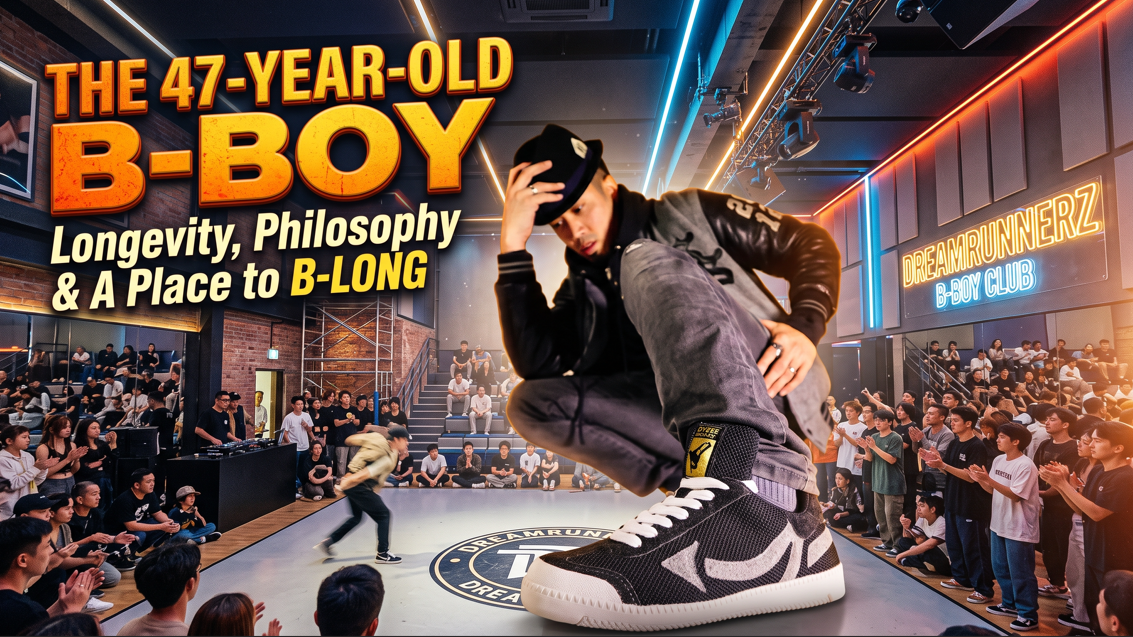
People often ask me how I’m still breakin’ at a high level at 47. The secret isn’t just training hard; it’s believing that breakin’ is something you do forever. It’s not just a competitive career—it’s a lifestyle, a sanctuary that saved me from the streets, a universal language that keeps me forever young, and above all, a space where you always belong.
1. The Physical & Mental Blueprint for Longevity
Staying active in breakin’ for decades requires a complete shift in how you treat your mind and body:
- Proactive Injury Prevention & Knee Protection: Longevity starts with keeping your body intact—if you get a career-ending injury, everything else stops. Seeing close friends like Juni (aka Problem Child) endure repeated knee surgeries until he had to walk away, or watching my student Airsick forced to stop due to chronic knee issues, made me realize how critical proactive injury prevention is. Beyond wearing knee pads, real protection comes from smart technique and gear:
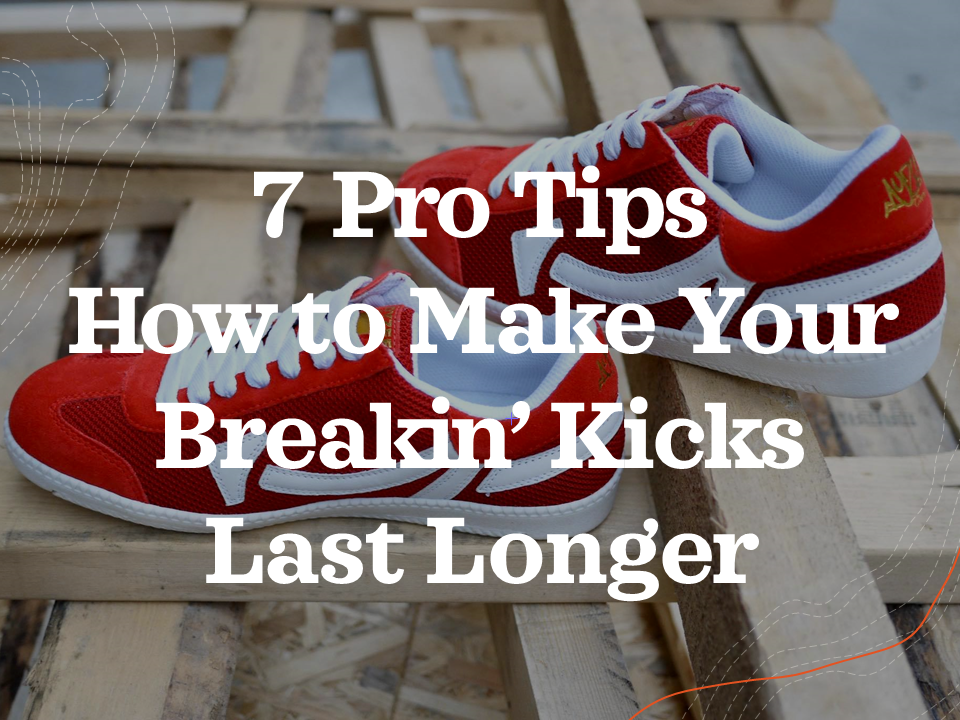
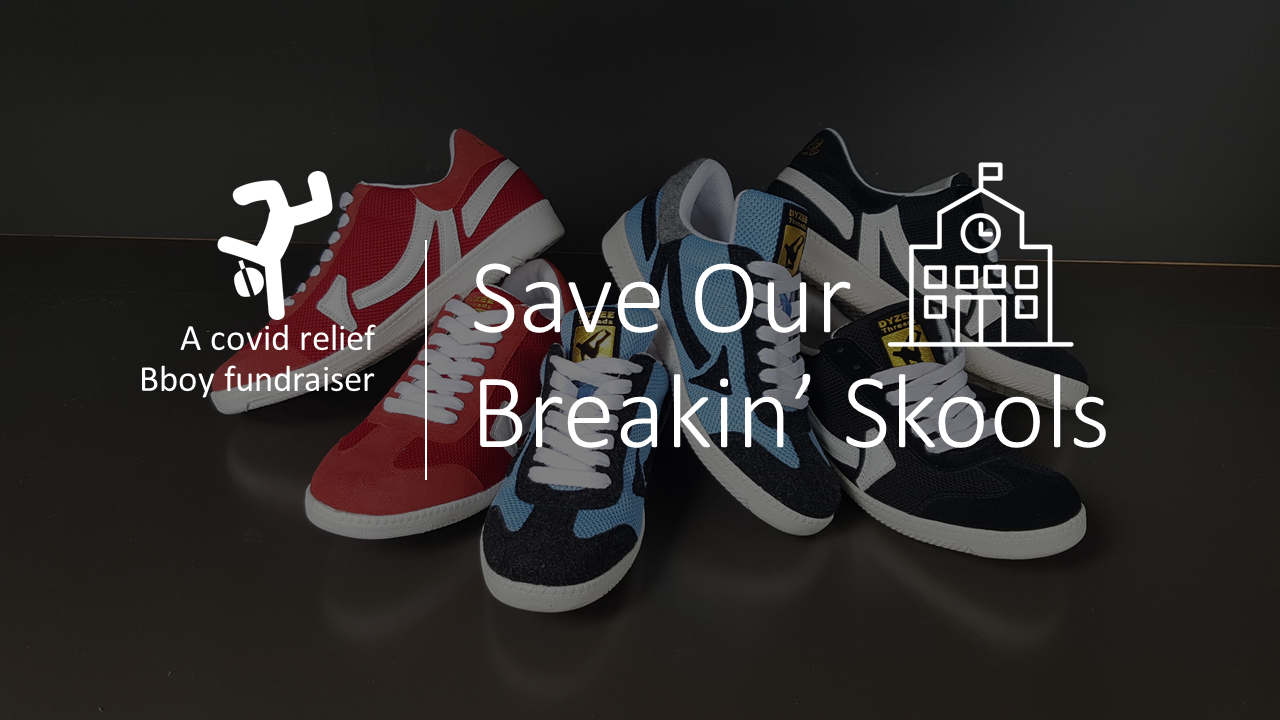
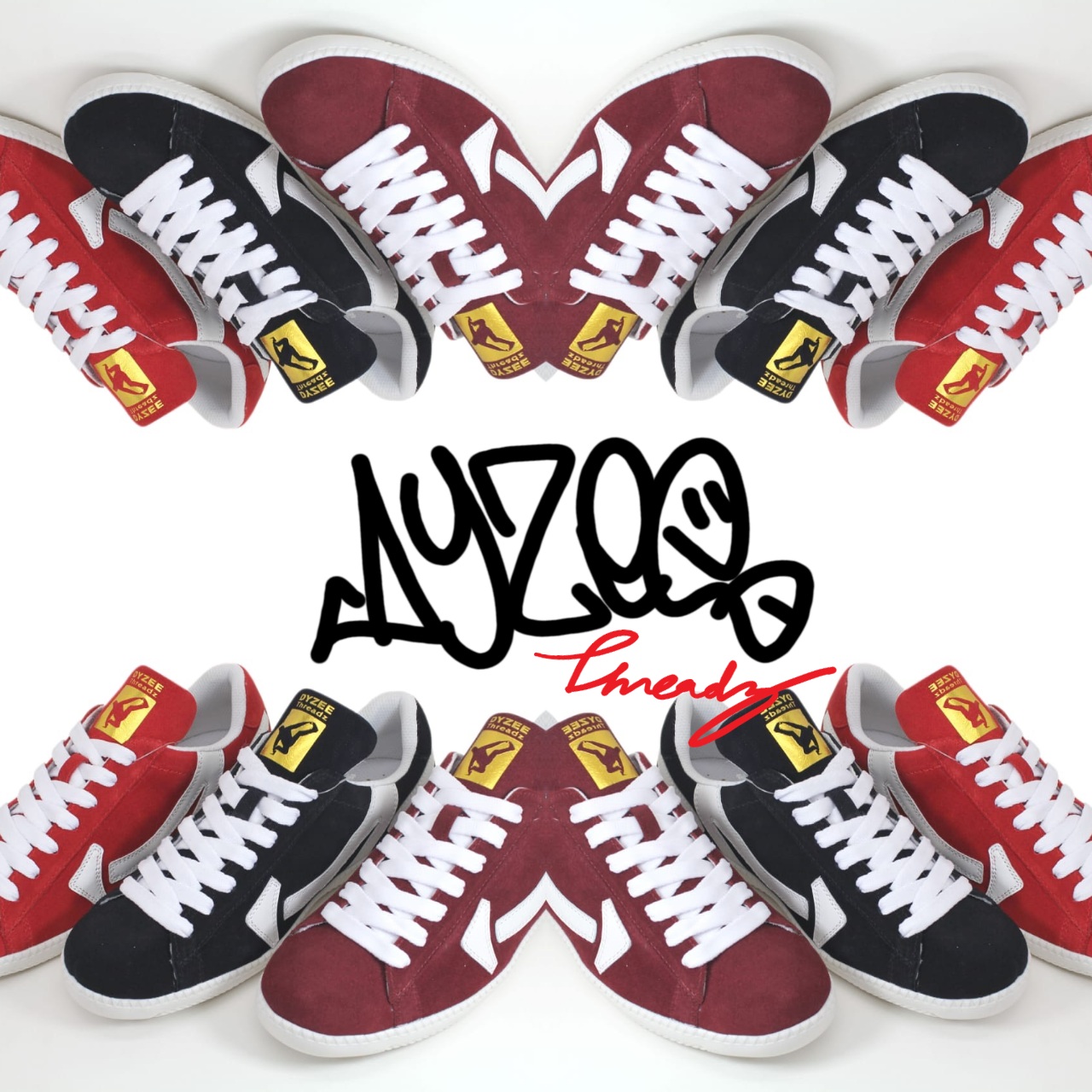
- Equipment & Shoe Selection: When performing legwork—sliding around on your shins and the tops of your feet—wearing shoes made of sticky leather or overly high-friction materials can cause your feet to catch on the floor.
- Preventing Joint Traps: If your shoe gets caught mid-movement and you accidentally drop back into a “W-position” (sitting between your feet with knees hyper-rotated), it places immense, unnatural pressure on the knees. Choosing shoes with smooth upper surfaces that slide effortlessly is essential, especially for breakers without extreme natural knee flexibility.
- Evolving Mindset: Once physical safety is secured, your mindset must continuously evolve over time. Breakin’ isn’t just a sport for youth or kids; it is a rich culture that continuously teaches us, matures us, and makes us stronger. When you treat the culture as a lifelong teacher rather than a temporary trend, your perspective constantly grows and deepens.
2. The Internal Progression: Skills, Rep, Props, & Legacy
To find peace and longevity in this culture, every breaker must navigate a four-stage evolution:
- Skills: Master the craft, technique, and foundation.
- Rep: Build your reputation on the floor and within the community.
- Props: Earn the respect of your peers and the elders of the culture.
- Legacy: Define what you leave behind for the next generation.
Mastering these four pillars grants internal peace and self-love. When you no longer need to prove yourself on the floor, you can use your reputation and knowledge to unite people.
3. From Personal Mastery to Universal Hip-Hop Tenets
Hip-hop culture is built on four core elements: Peace, Love, Unity, and Having Fun.
Skills → Rep → Props → Legacy
↓
Internal Peace & Self-Love
↓
Peace • Love • Unity • Having Fun
- Unity & Belonging: When we’re young, breakin’ gives us an instant sense of belonging within a crew. But as people grow older, financial pressure and life often force dancers to drift apart. Real unity happens when experienced elders use their voice, respect, and platform to restore that sense of belonging and bring people together across generations.
- Having Fun: Passing through the hard work of building legacy allows you to return to the purest element of hip-hop: simply having fun without pressure or fear.
4. Building the Future: The “B-Long” Philosophy & The Breakin’ Club Model
To break forever, dancers must have a permanent sanctuary where they belong and a sustainable way to earn a living.
The “B-Long” Philosophy
Playfully drawing from B-Boy and B-Girl, the B-Long Philosophy is simple yet profound: If you build a dedicated, permanent space for the culture, breakers will always have a home where they belong at any stage of their lives.
This concept can start as grass-roots community spaces—like the weekly Saturday practice session I started in Toronto over 20 years ago that is still going strong today—but the ultimate realization is building permanent, structured clubs that do far more than just exist.
A Proof of Concept
As we get older, adult responsibilities and financial demands make it increasingly difficult to justify spending hours dancing or hanging out with friends. When passion doesn’t generate income, life eventually forces dancers to abandon their art and lose the community that shaped them. Just as rap, DJing, and graffiti evolved into financially viable careers, breakin’ must provide real economic paths for its practitioners. When a breakin’ space generates income—whether large or small—it provides the practical justification dancers need to stay involved, balancing real-world responsibilities while continuing to dance.
Structured Club Support vs. The Traditional Scene
What truly separates a structured breakin’ club from the traditional scene is the shift from “everyone for themselves” to genuine structural support. In typical scenes, dancers only have fragmented crew spaces with no dedicated spots and nobody working to serve them. In a structured club model, nominal monthly membership dues sustain dedicated staff whose explicit job is to listen to the members, ask what they need at their current stage in dancing or life, and actively build solutions for them.
| Traditional Scene | Structured Club Model |
|---|---|
| Fragmented, temporary spots | Guaranteed permanent home & hub |
| Dancers left to figure it out | Dedicated staff supporting members’ needs |
| Financial pressure forces exit | Sustainable careers & funded positions |
| Every dancer/crew for themselves | Collective unity & lifelong belonging |
As a part-owner of Dreamrunnerz, we use our organization as a proof of concept for the “B-Long” Philosophy:
A breakin’ club functions much like a motorcycle club or a church—providing an unwavering anchor of community. No matter where life takes you or what stage of life you are in, you should always know there is a space open for you.
- Scale & Impact: Dreamrunnerz shows what structured breakin’ organizations can achieve, overseeing over 1,000 members, 3,000 students, and millions of monthly views across four clubs in Taiwan (including locations in Chiayi City).
- Real Income & Sustainable Careers: With 45 staff members—25 working full-time with competitive salaries—this model proves that breakin’ can yield sustainable income so dancers never have to walk away from the culture.
- The Mission: The goal is to transform local breakin’ studios and academies worldwide into structured, thriving clubs based on the B-Long Philosophy—ensuring dancers secure both a permanent place to belong and a viable livelihood.
Conclusion: The Circle Completed
Breakin’ saved my life, gave me purpose, and continues to keep me young at 47. By embracing the B-Long Philosophy and establishing structured clubs, we build permanent spaces where dancers always belong and can support themselves financially—ensuring the culture thrives, providing real careers for the next generation, and allowing us all to gather, unite, and forever just have fun—so we can keep Breakin’ Forever.


Leave A Comment